The Return of the Grand Tour, Reimagined for the Modern Traveler
In the eighteenth century, young aristocrats spent months crossing Europe in pursuit of art, language, and a certain worldly polish. The Grand Tour was slow, expensive, and transformative. Today, a small group of travel designers are reviving the idea, stripped of its pretension and rebuilt around a single principle: go slowly, and go deep.
Fewer Stops, Longer Stays
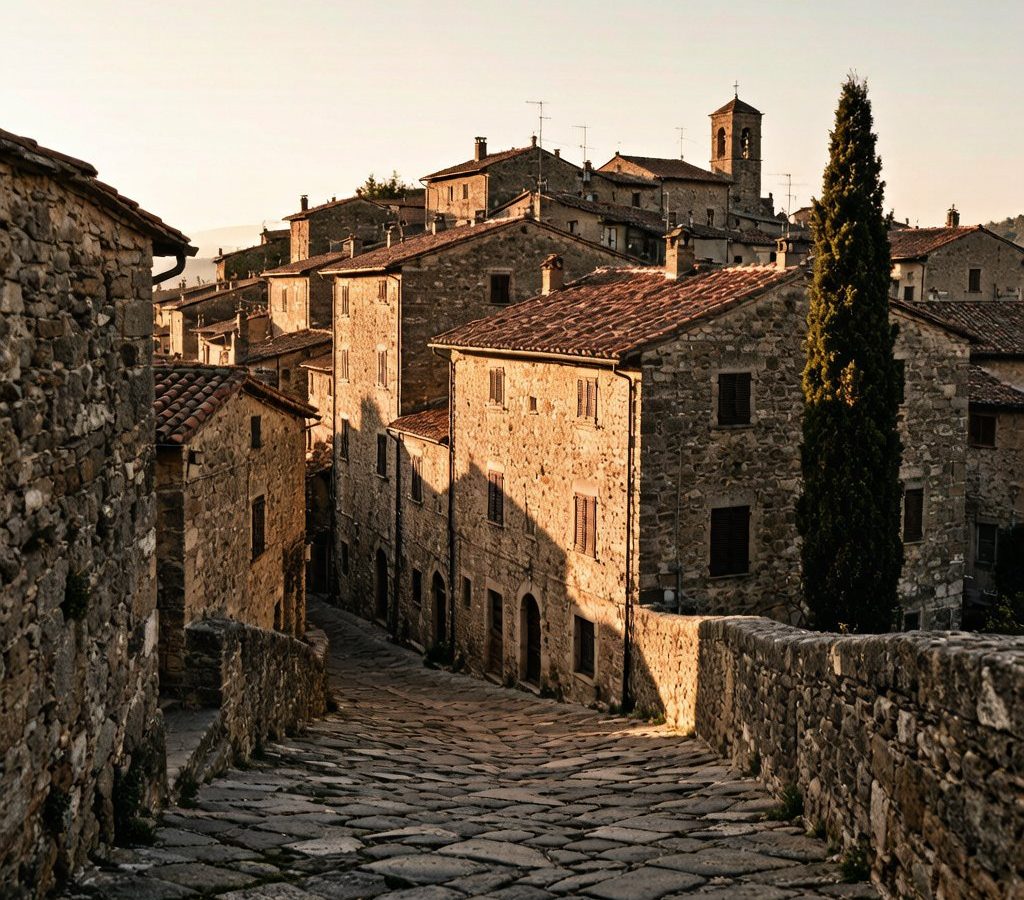
The modern Grand Tour rejects the checklist. Rather than seven cities in ten days, it might mean three weeks in a single region, with mornings spent learning to make pasta from a grandmother in a hillside village and afternoons in private archives most visitors never see.
The shift reflects a broader fatigue with the photograph-and-move-on model of travel. Affluent travelers, having already seen the headline sights, now want to understand the places they visit rather than simply visit them.
The Architecture of a Slow Journey
Designing such a trip is an act of restraint. The best itineraries leave deliberate gaps, unscheduled afternoons that allow for the accidental discovery that no planner could have arranged. Local fixers, often more historian than guide, become the most valuable part of the experience.
It is more expensive per day than conventional luxury travel, but the math is different. You are not buying access to more places. You are buying the time to actually be in one.