Inside the World’s Quietest Suites: A Study in Sound Design
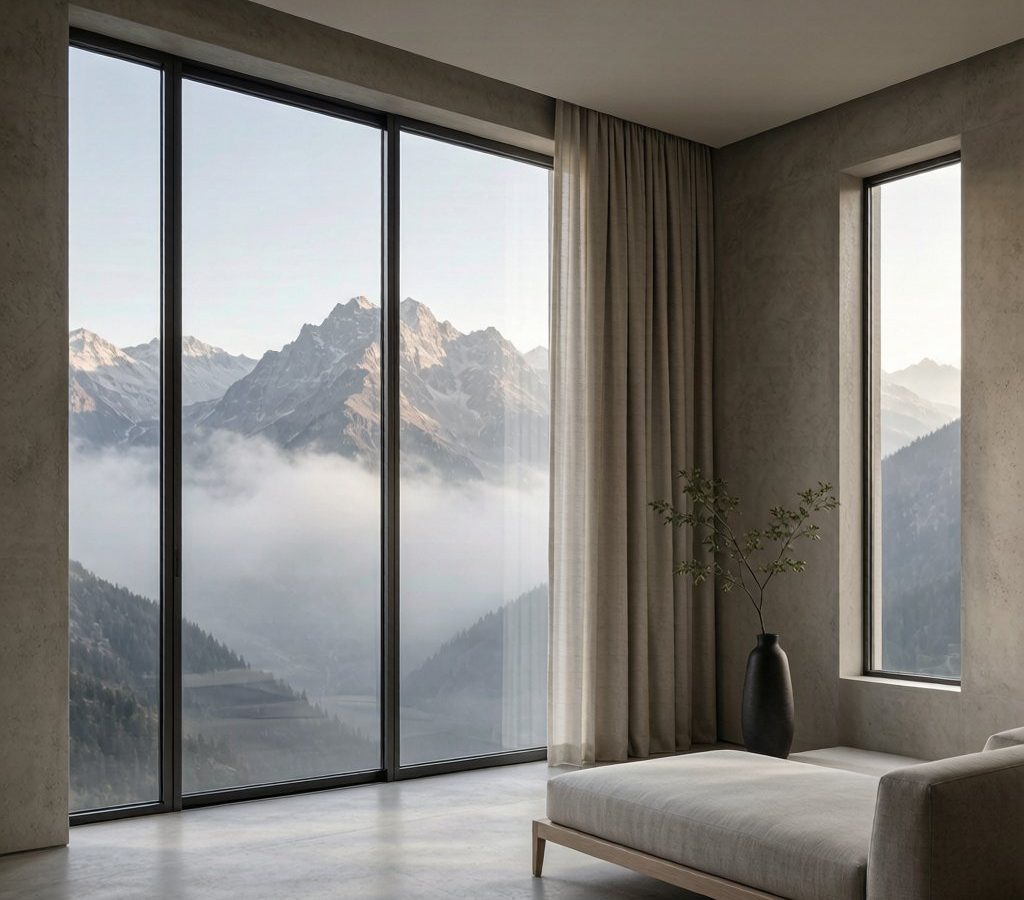
Walk into the corner suite of a certain alpine retreat and the first thing you notice is what you do not hear. No hum of the minibar. No distant elevator. No street. The silence is so complete it feels physical, a held breath that lasts the length of your stay.
The New Currency of Calm
For decades, hotels competed on the visible: marble lobbies, infinity pools, the height of the ceilings. But the properties redefining the top tier are competing on the invisible. Acoustic engineers now sit alongside interior designers in the earliest planning meetings, specifying triple-glazed glass, floating floors, and wall cavities packed with mineral wool.
The result is a sensory experience that the body registers before the mind does. Guests report sleeping more deeply, waking less often, and leaving genuinely rested rather than merely pampered.
How Silence Is Built
True acoustic isolation is a layered discipline. It begins with structural decoupling, where the room is effectively a box within a box, so that vibration from the building never reaches the guest. Door seals are drawn from the recording-studio playbook. Even the ventilation is routed through baffled channels that strip out the low-frequency rumble most travelers have learned to ignore.
Luxury used to be about what you could see. Increasingly, it is about what you can no longer hear.
The cost is considerable, which is precisely the point. A suite engineered for silence cannot be faked with a candle and a turndown service. It is luxury you feel in your nervous system, and it is becoming the quiet benchmark by which the finest hotels are judged.