The Single-Table Restaurant and the Rise of Radical Intimacy
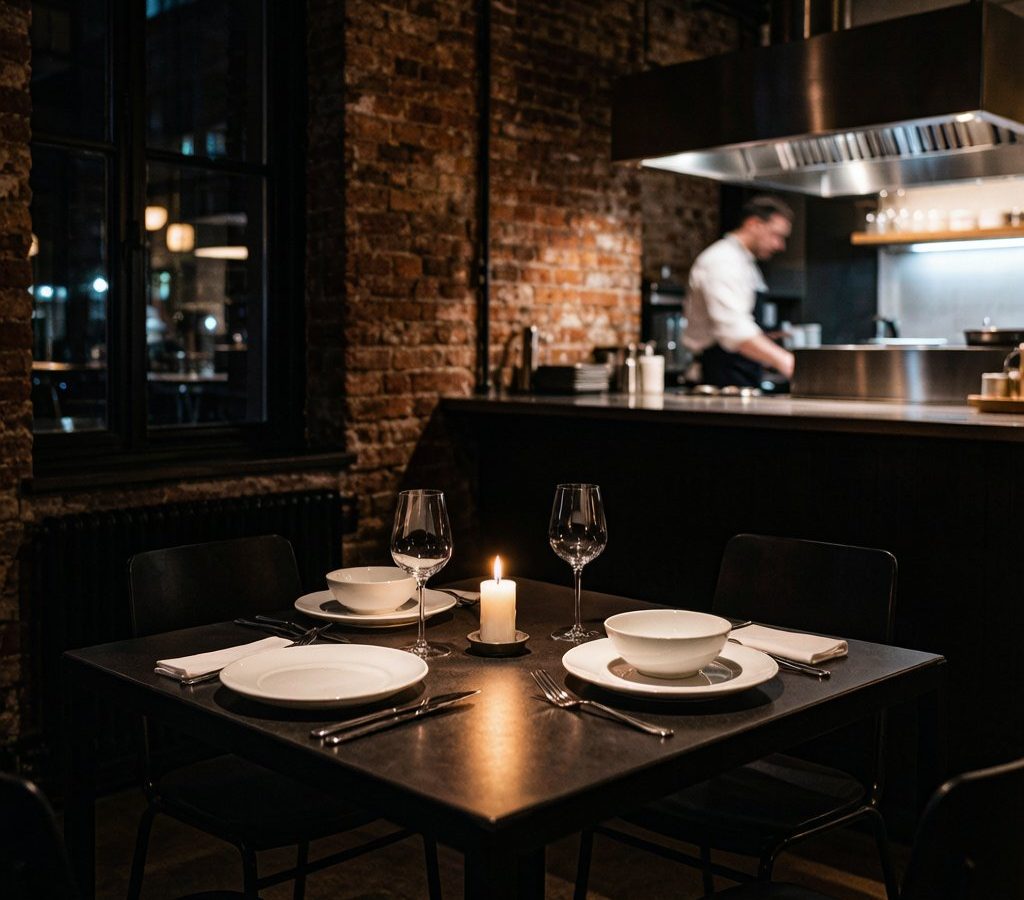
There is a kitchen in a converted townhouse where the chef cooks for exactly one table each evening. There is no menu, no second seating, and no possibility of walking in. To eat there, you must be invited or you must wait, sometimes for the better part of a year.
The Economics of Scarcity
Single-table dining inverts every assumption of the restaurant business. There is no turnover to optimize, no covers to maximize. The entire night, the entire kitchen, the entire staff, exist for one party. The scarcity drives the desire, but it also makes possible something conventional restaurants cannot offer: total attention.
The chef cooks responsively, reading the room, adjusting pace and portion to the mood at the table. It is less a meal than a private performance, and the line between guest and collaborator blurs over the course of the evening.
Hospitality Without the Crowd
What guests describe most often is not the food, remarkable as it usually is, but the feeling of being genuinely hosted. In an age of the photographed dish and the influencer table, the single-table restaurant offers the opposite: a meal no one else will see, designed entirely for the people in the room.