The Underground Home: Why the Super-Rich Are Building Down
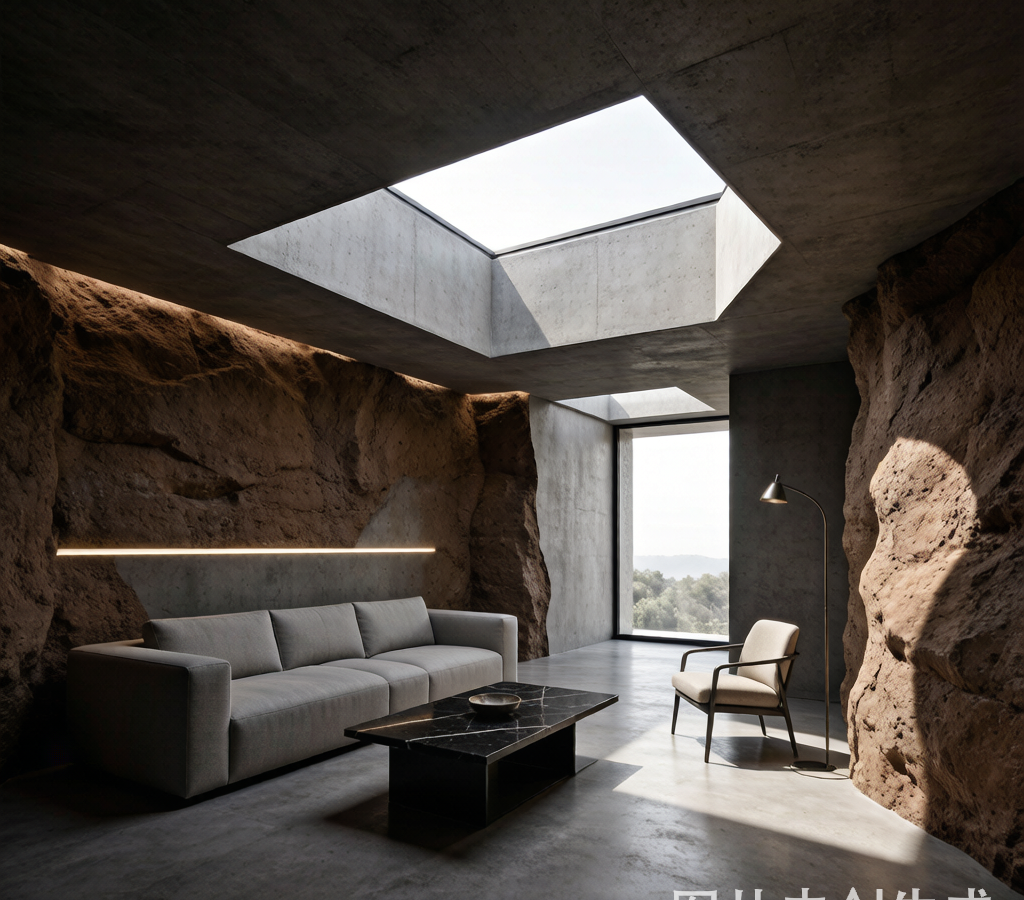

The world of ultra-luxury is evolving faster than ever. In this deep dive, we explore how the underground home: why the super-rich are building down is reshaping the landscape of high-end living, travel, and design.
The New Definition of Extraordinary
What defines true luxury in 2026? It is no longer about the obvious markers—the logo, the price tag, the Instagram post. Today’s most discerning travelers and collectors are drawn to experiences that cannot be bought, only accessed through knowledge, relationships, and a deep understanding of craft.
This shift has given rise to a new category of hospitality, design, and lifestyle that operates entirely below the radar of mainstream culture. The result is a parallel world of private clubs, unlisted properties, and invisible services that cater exclusively to those who already have everything.
Where Craft Meets Vision
The most compelling spaces today are those where master craftsmanship meets uncompromising vision. Whether it is a century-old atelier in Florence producing bespoke leather goods for three clients a year, or a remote resort in Patagonia where the architecture seems to grow from the landscape itself, the common thread is a refusal to compromise.
This is not about excess. The new luxury is often strikingly minimal. It is about the perfect proportion, the exact right material, the detail that only a trained eye would notice. In the words of one prominent architect: “Luxury is when nothing interferes between you and the experience.”
The Geography of Discretion
Discretion has become the ultimate luxury. The most sought-after destinations are not the ones with the most stars or the highest ratings—they are the ones that do not appear on any public list. A converted monastery in Umbria. A private island in the Maldives with no website. A townhouse in Mayfair accessible only by referral.
This geography of discretion extends beyond travel. It defines where the wealthy choose to live, which schools they attend, which doctors they see, which restaurants they dine at. Each choice is a vote for privacy over prestige, substance over signal.
Materials That Tell a Story
In the world of ultra-high-end design, materials are never just materials. They are provenance, narrative, time. A walnut floor from a single tree that stood for 300 years in a French forest. Linen woven from flax grown in a specific valley in Belgium. Stone quarried from the same Italian hill that supplied Michelangelo.
These materials carry stories that cannot be manufactured. They ground a space in history while feeling completely contemporary. They age beautifully, developing patina rather than wearing out. They are, in every sense, anti-disposable.
The Service That Anticipates
The hallmark of true luxury service is not that it is visible—it is that it is invisible. The best hotels, clubs, and residences employ people who anticipate needs before they are expressed. A favorite newspaper waiting in the lobby. A room temperature adjusted before arrival. A dietary preference remembered across continents.
This level of service requires not just training but a culture that values intuition as highly as procedure. It is why the same person who stays at a Four Seasons also keeps a relationship with a boutique property in Lisbon where the owner still greets every guest personally.
Sustainability as the New Prestige
The most sophisticated consumers of 2026 do not talk about sustainability as a separate concern—it is simply embedded in what they buy, where they stay, and how they live. A property that cannot demonstrate environmental responsibility is increasingly seen as careless, regardless of its price point.
This has led to a new wave of luxury developments that generate their own power, grow their own food, and restore rather than extract from their surroundings. The irony is not lost on anyone: the people with the largest footprints are now the ones most invested in reducing them.
The Future of Extraordinary
Where does luxury go from here? If the past decade was about the democratization of access—everyone could fly business class, everyone could stay at a five-star property—the next decade will be about the re-privatization of experience.
We are already seeing it: the rise of invitation-only hotels, the return of the grand estate as a place to stay rather than just visit, the growing preference for buying experiences over things. The common thread is a desire for meaning, for connection, for something that cannot be replicated by an algorithm.
In the end, that may be the most luxurious thing of all: an experience that feels truly singular, created for you and you alone.